
Transitional Democracy
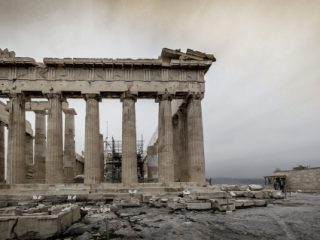








What Do We Mean By Transitional Democracy?

Government Upgraded: Democracy 2.0 in Aotearoa?
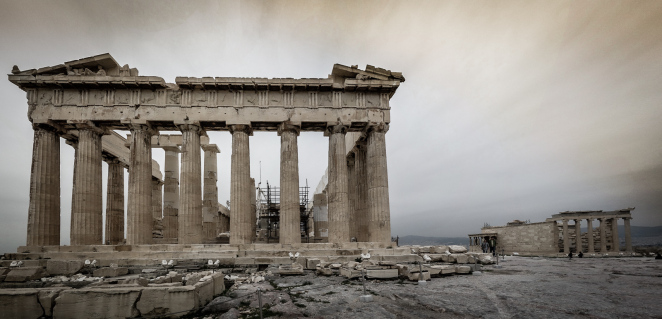
Democracy 2.0 : What is on offer in GE 2020?
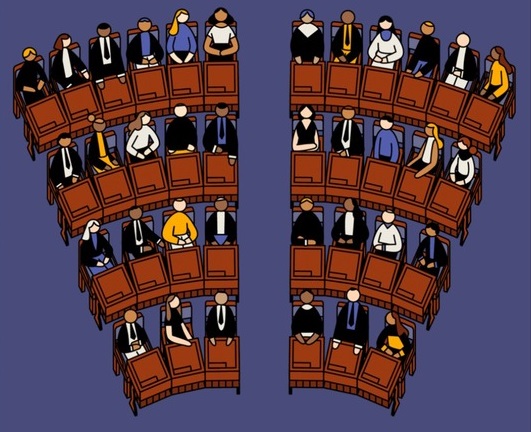
This Is Not a Democracy
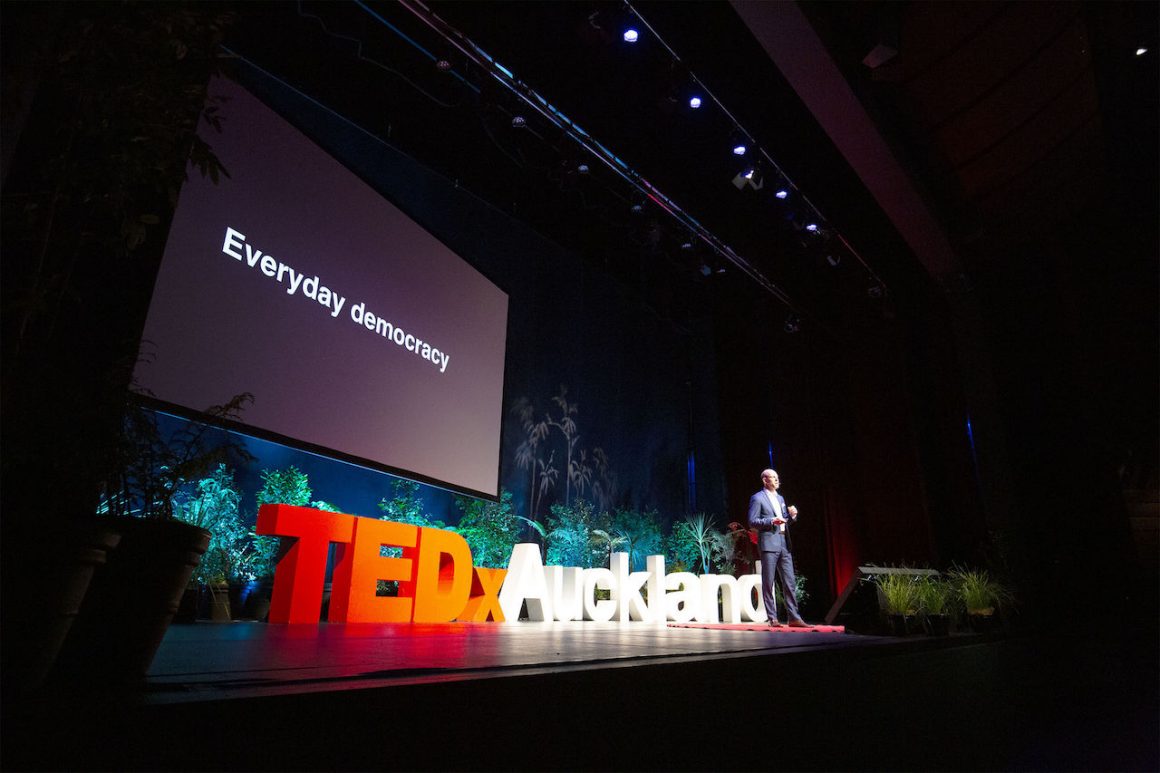
We Need to Reset Democracy – TEDx Talk
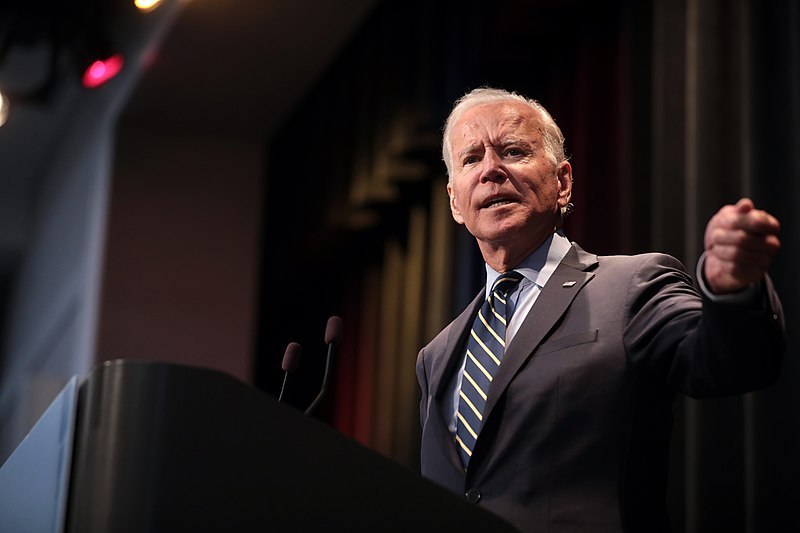
Your Sigh Of Relief Is Grounded In Delusion: Notes From The Edge Of The Narrative Matrix

Three important refugee Issues in a COVID-19 Dominated election?
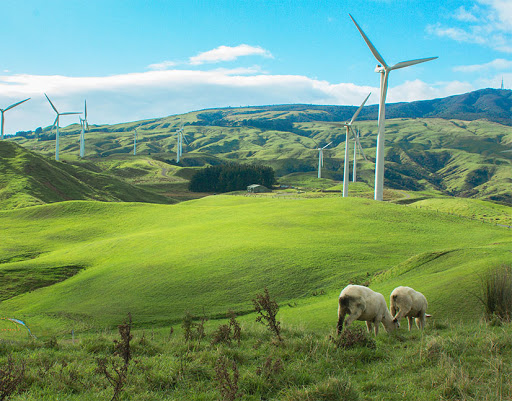
What would a Green New Deal look like in Aotearoa?
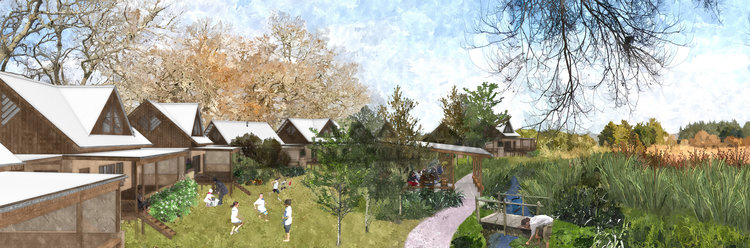
Māori Housing Issues in Election 2020
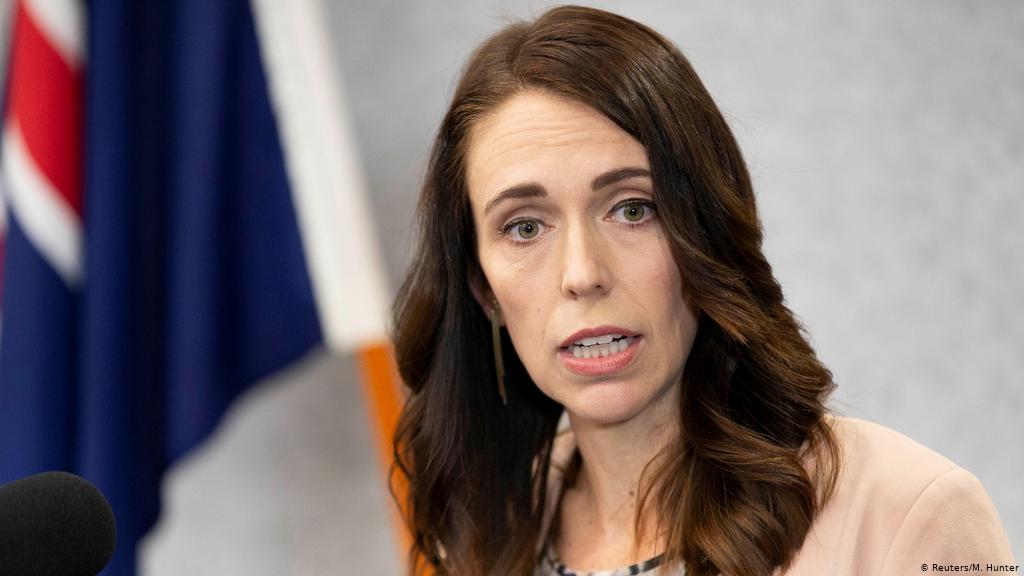
Benefits: The Unkindest Politics of All
Benefits Policy Panel Discussion Video

Transitional Energy: A Better Future For Energy in Aotearoa, NZ
Summary: the Clean Energy Plan
The Greens’ Clean Energy Plan

Wishes vs Reality: the Role of Net Energy Analysis in Our Future
Energy Policy Roundup 2020

Ardern’s government and climate policy: Leader or Follower?

Voting for the future

Perspective is Critical: Assessing And Improving NZ’s Covid-19 Performance
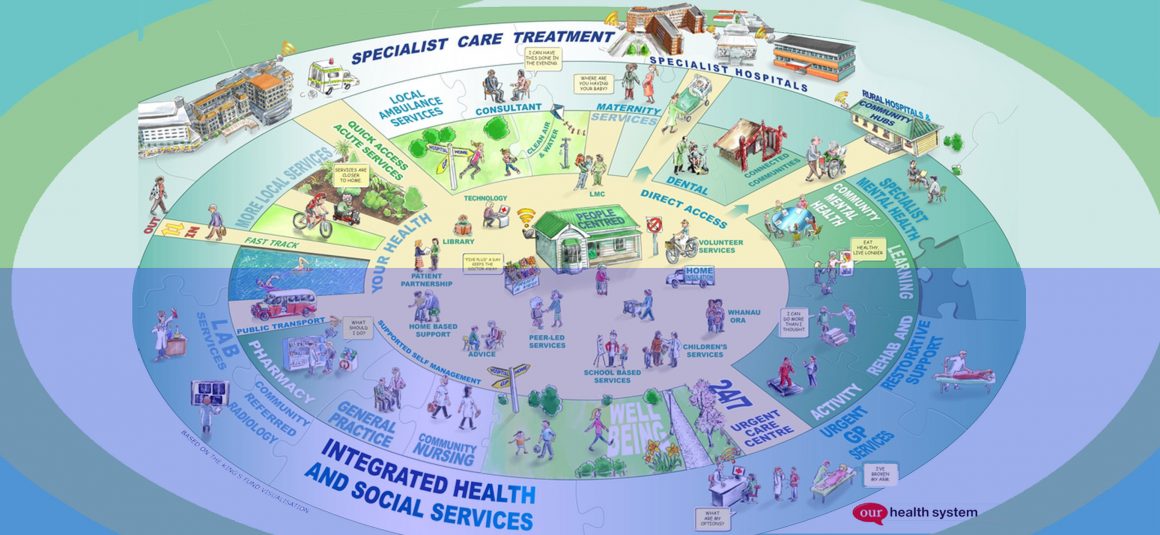
Guided Autocracy: Proposed Health System Reforms in NZ
He Mihi: Nau Mai Ki Tēnei Wāhi Whakawhiti Kōrero (Read full mihi)
This engaged journalism series explores key aspects of the transition required for Aotearoa to navigate the crises we face, and to thrive as a resilient and democratic nation.
The Dig and ScoopCitizen invite you to help us investigate how we can embrace and weave together the best ideas from the global tapestry of alternatives that will reshape every aspect of our society over the coming decade.
It will feature expert analysis, comment, and panel discussions exploring transitional ideas, thinkers, projects, and champions creating the new systems and democratic institutions, and infrastructure for our future world.
The Transitional Democracy series establishes CitizenDesks covering five key spheres of Transitional activity:
- Transitional Democracy
- Transitional Livelihoods
- Transitional Ecology
- Transitional Wellbeing
- Transitional Thinking
What do we mean by ‘Transitional’?
We live in a time of transition on many levels. For better or worse, disruption, social change, revolution, and evolution are occurring at an exponentially accelerating rate. The current era has been characterised as a time of ‘meta-crisis’. Multiple converging systemic crises are affecting every aspect of our complex system and its institutions simultaneously.
Human society (like nature) is a ‘complex adaptive system’, its nature is to change through ‘chaotic transitions’ and shocks to the system. In such transitional periods, the old ‘global system’ disintegrates and the old institutions lose legitimacy, then, a ‘Cambrian Explosion of alternatives emerges’, carrying the seed forms of the next system.
This time of transition brings very real threats for our nation, but also an opportunity to embrace and shape this explosion of alternatives to build a more resilient and democratic future.
What do we even mean by Democracy?

The 20th century has been called the century of democracy’s triumph due to the rapid spread of liberal democracies across the world. However, has the idea of democracy as defined by the liberal world order really delivered democratic outcomes for citizens?
The harsh realities of the escalating meta-crisis around us (from inequality to climate change and COVID-19) suggest otherwise. Our current system of governance does not appear to have helped us to collectively make sane decisions about managing our resources and activities.
Democracy 2.0 in Aotearoa
If we ever could, we can no longer seriously claim that liberal democracies such as New Zealand include an ‘active community of citizens’ engaging in a contest of opinions as envisaged by the original definition of democracy.
As Max Rashbrooke sums it up in his contribution to the Transitional Democracy series:
“Imagine a Twenty-First-Century piece of software trying to run on a Twentieth-Century computer, and you have a fair picture of the New Zealand democratic system”.
In this current age of transition, in which everything is up for redefinition, it is clear that our political establishment could be doing far more to support and facilitate truly democratic participation. We must begin to develop a new definition and ‘grand narrative’ for democratic governance as a nation in Aotearoa.
Be Part of the Transition
The ScoopCitizen ‘engaged journalism’ service provides a safe and deliberative members-only ‘engaged journalism’ space for learning, discussion of ideas, and collective action.
This is our way of offering our readers deeper participation and engagement in the process of creating quality journalism and public discussion. We achieve this through our partnership with GovTech startup NextElection and by following an engaged journalism methodology.
We welcome contributions in the form of submissions or suggestions for discussion on any of these topics from freelance journalists, academics, political parties, or NGOs, as well as from ordinary citizens.
You can answer these questions (and more) via ScoopCitizen here:
- How might we, as a society composed of both Maori and Tau Iwi (other peoples), agree to relate to each other and live together in Aotearoa, NZ?
- How might we make the process of the collective governance of our nation more open and participatory for all citizens?
- What innovative solutions might lead to the resilient, adaptive, and stable society we will need to face the current global crises?
- How might the groups of people living in our communities, cities, and bioregions manage our resources in common and act as custodians for nature and future generations?
Sign up to ScoopCitizen now to stay tuned and participate as we develop the conversation on each of the Transitional Democracy CitizenDesks.
Please support us to expand this conversation and bring on even more great journalists to cover these CitizenDesks – setup a one-off or regular donation to ScoopCitizen via Press Patron. All funds raised will go to creating more quality content for our transitional CitizenDesks.